
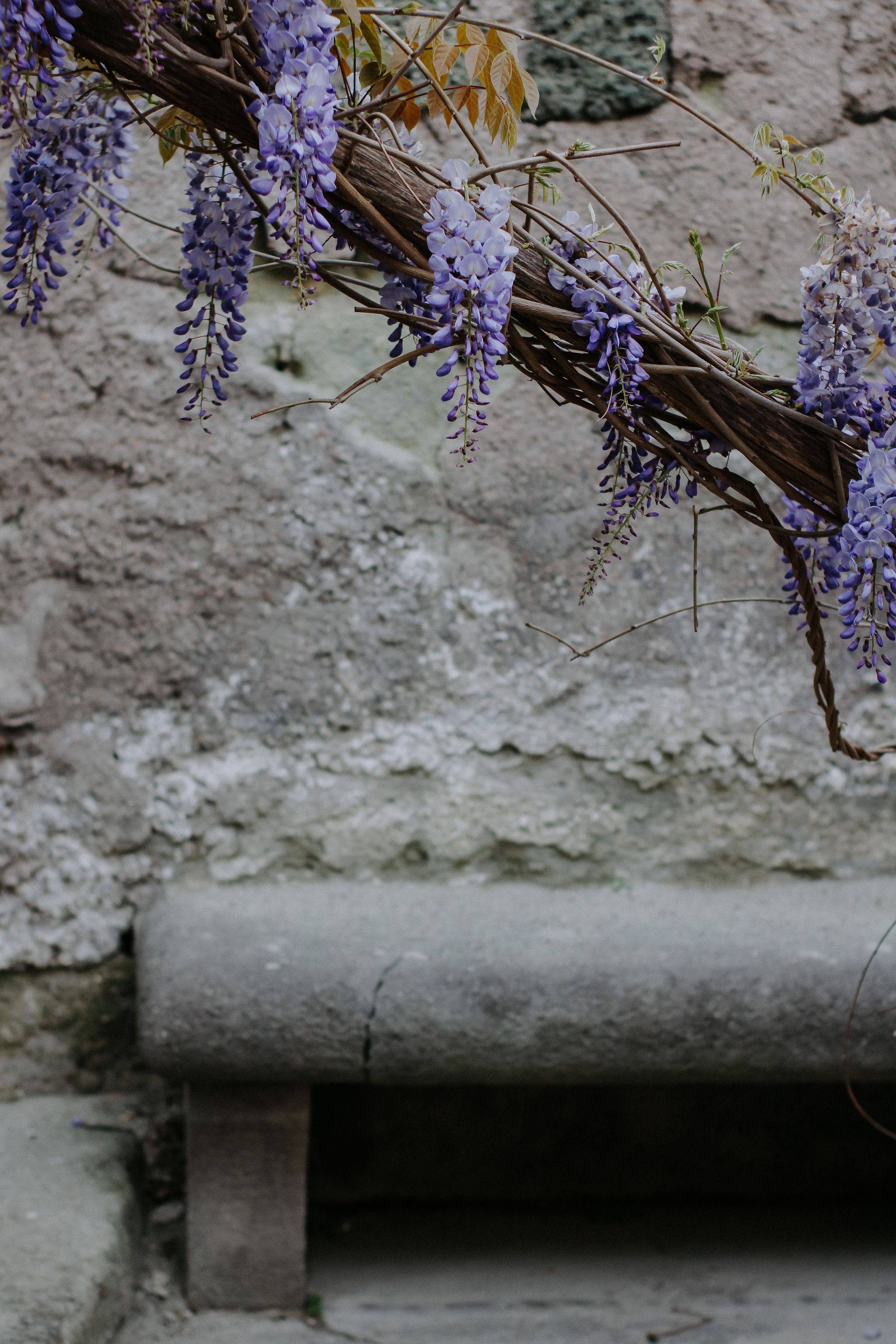
The greatest enemy of an unforgettable Italian journey is the overfilled itinerary. When every morning has a tour, every lunch has a reservation, and every afternoon has a museum entry, travel becomes a checklist of deadlines. Yet the memories travellers cherish most almost always happen in the gaps. The hour you sat on a marble fountain step eating gelato because your museum entry was delayed. The turn down a quiet alleyway that led to an artisan hand-binding leather notebooks. The unexpected storm that forced you into an archway café where you struck up a conversation with the owner about his grandmother’s olive oil. These moments cannot be booked. They cannot be guaranteed by an algorithm. They require you to build empty space directly into your days—to intentionally leave hours where nothing is planned, nothing is expected, and everything is permitted. True luxury in travel is not filling every moment. It is having the freedom to see where the afternoon takes you.
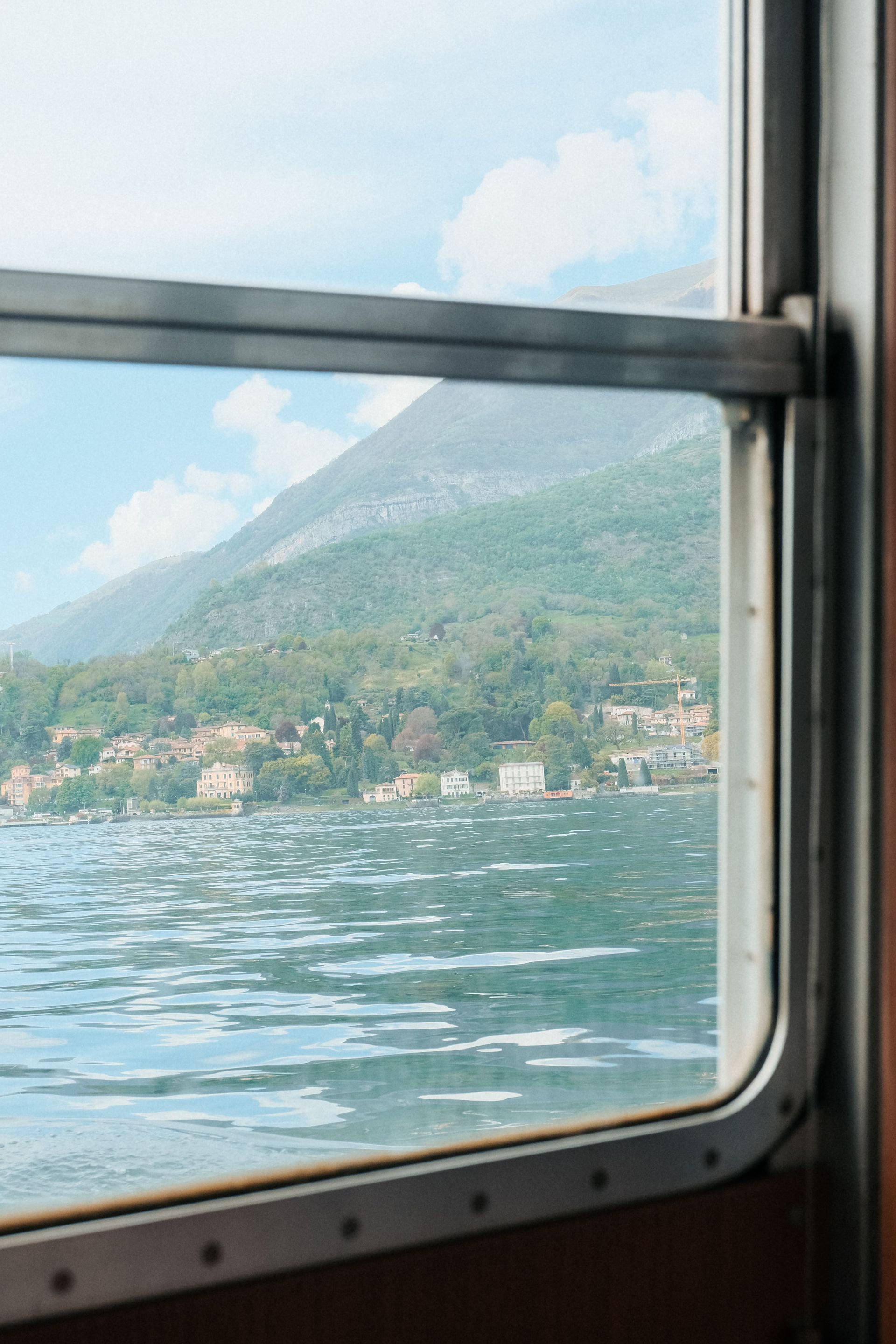
There is an art to crossing Italy by rail. Not on the high-speed Frecciarossa that tunnels through the Apennines at three hundred kilometres per hour, but on the regional line that follows the natural curves of the earth. The regional train forces a gentler tempo. It stops at small, yellow-stuccoed stations where nobody gets on and nobody gets off. It rattles past sleepy backyards where laundry hangs in the sun, and vineyards stretch right up to the tracks. Inside the carriage, the rhythmic clatter of iron rails becomes a steady, hypnotic soundtrack. You do not open a laptop. You do not check your messages. You watch the landscape shift outside the glass: the flat agricultural plains giving way to cypress-topped hills, the sudden turquoise glint of the sea, the silhouette of a medieval watchtower perched above an olive grove. Travelling by regional train turns transit from dead time into contemplation. It connects the dots of a country that was never meant to be seen from thirty thousand feet.
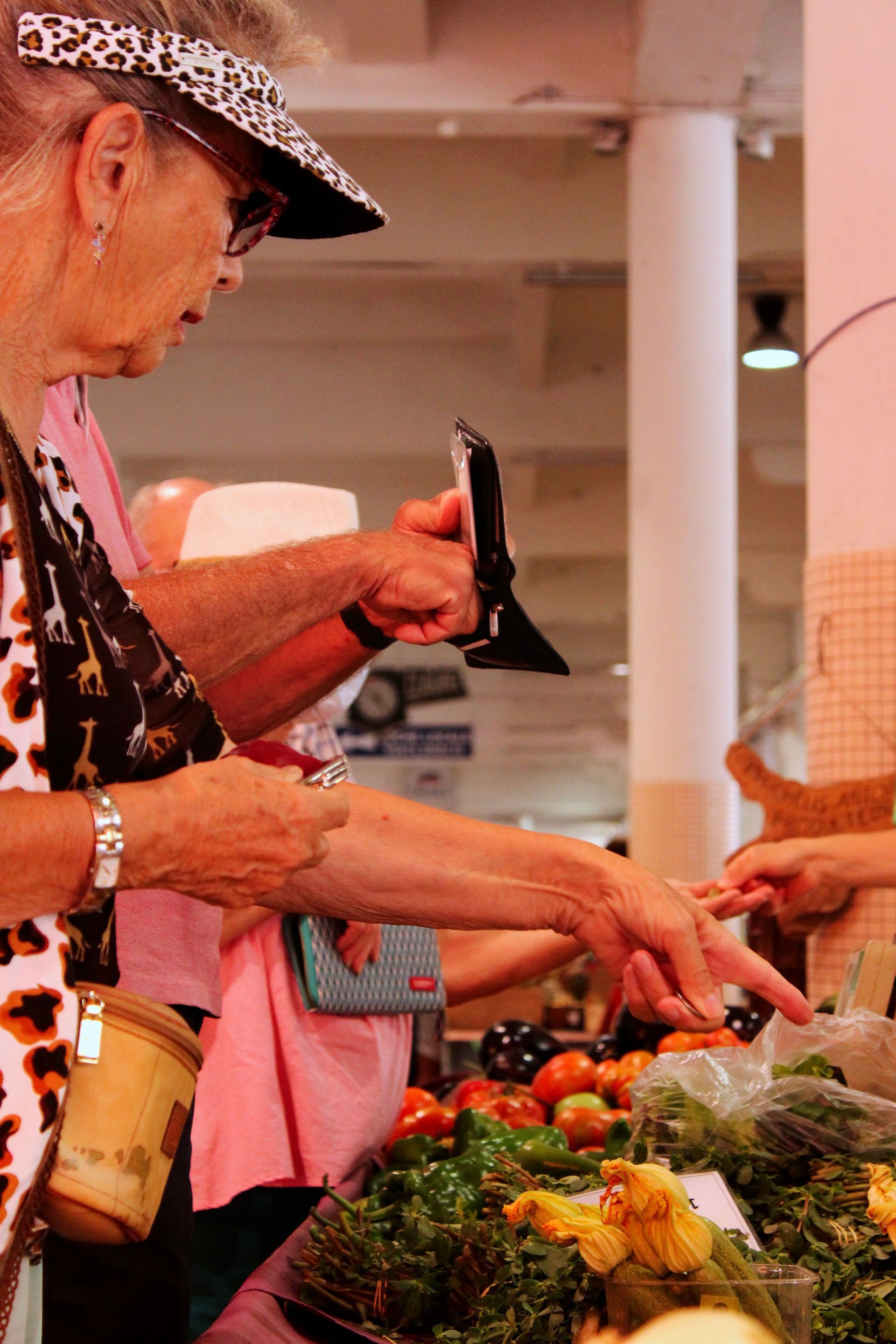
Before the supermarkets, before the food trends, there was the morning market. In Italy, the market is not a destination for weekend browsing; it is an essential daily rhythm. It wakes long before the rest of the town. By seven in the morning, the stalls are overflowing with colour: bitter greens still damp from the soil, wild artichokes trimmed with lightning-fast paring knives, and fresh seafood glistening on beds of crushed ice. Here, you do not touch the produce yourself. You speak. You consult. You ask the vendor which melon is ready for tonight, not tomorrow. You watch as an elderly woman inspects the figs with the scrutiny of a gemologist, holding the grocer to a standard honed over sixty years. The market teaches you how to eat in Italy: by trusting the seasons and honouring the relationship between the grower and the table.
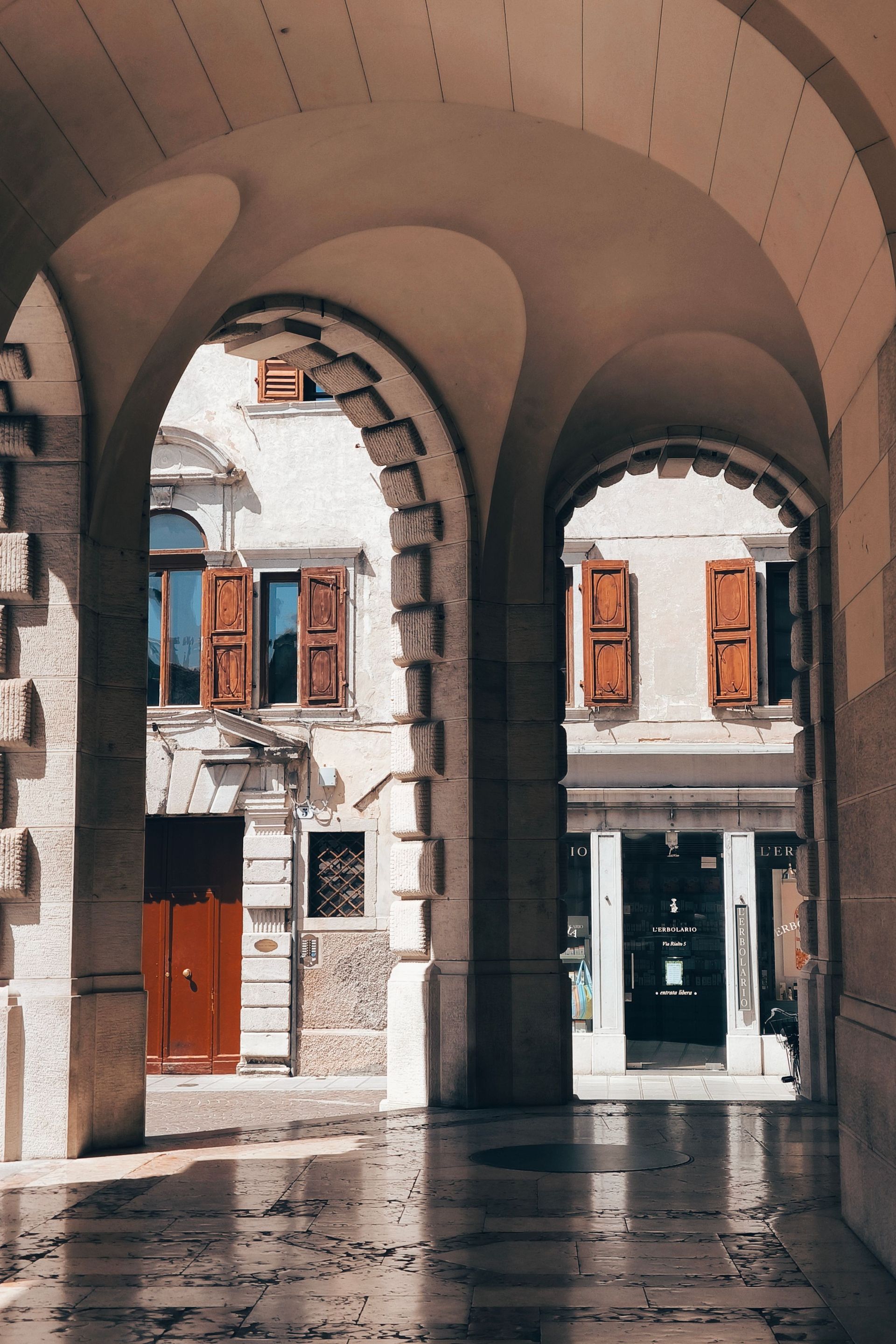
From the outside, Italian historic palazzi can appear imposing, even secretive. Heavy wooden carriage doors reinforced with wrought iron. Ground-floor windows barred like fortress gates. Facades weathered by centuries of rain and exhaust. They do not invite the casual tourist in. Yet if you step through that heavy arched gateway, the entire world changes. The noise of the street vanishes instantly. You find yourself inside an open courtyard of cool, vaulted arches, creeping wisteria, and a stone fountain trickling water into an ancient basin. Above, tall shuttered windows conceal high ceilings adorned with faded frescoes, library walls lined with leather bindings, and terracotta tiles polished smooth by centuries of footsteps. These private courtyards are the secret lungs of Italian cities. They remind us that true architectural luxury was never designed for public display. It was designed inward, to create a private world of tranquility and beauty hidden behind an austere facade.
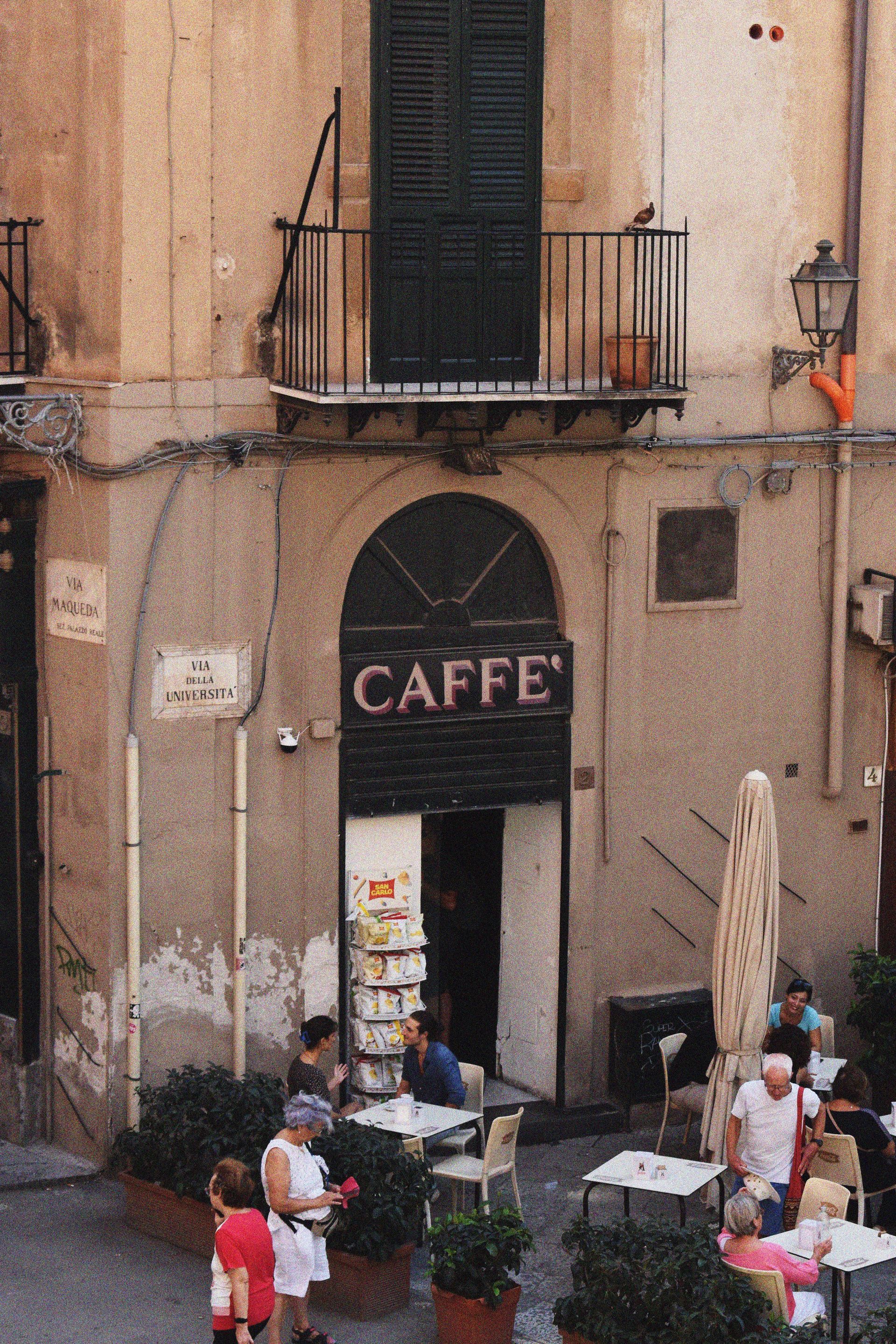
If you want to understand how Italy functions, sit in a town piazza on a Sunday at noon. Church has just finished. Sunday lunch has not yet begun. And for one glorious hour, the piazza transforms into a living theatre of human connection. This is the ritual of the passeggiata. Generations interlock arms. Grandfathers in tailored wool coats debate local politics with animated hands. Children chase pigeons across stone pavers. The café terraces overflow with small glasses of bitter red aperitivi and bowls of green olives. Nobody is looking at a screen. There is an effortless grace to this weekly gathering—a reaffirmation that community is not an abstract idea, but a physical space where people look each other in the eye. To sit on the edge of a Sunday piazza with an aperitivo in hand is to witness the true luxury of Italian life: social warmth, shared public space, and unhurried time.
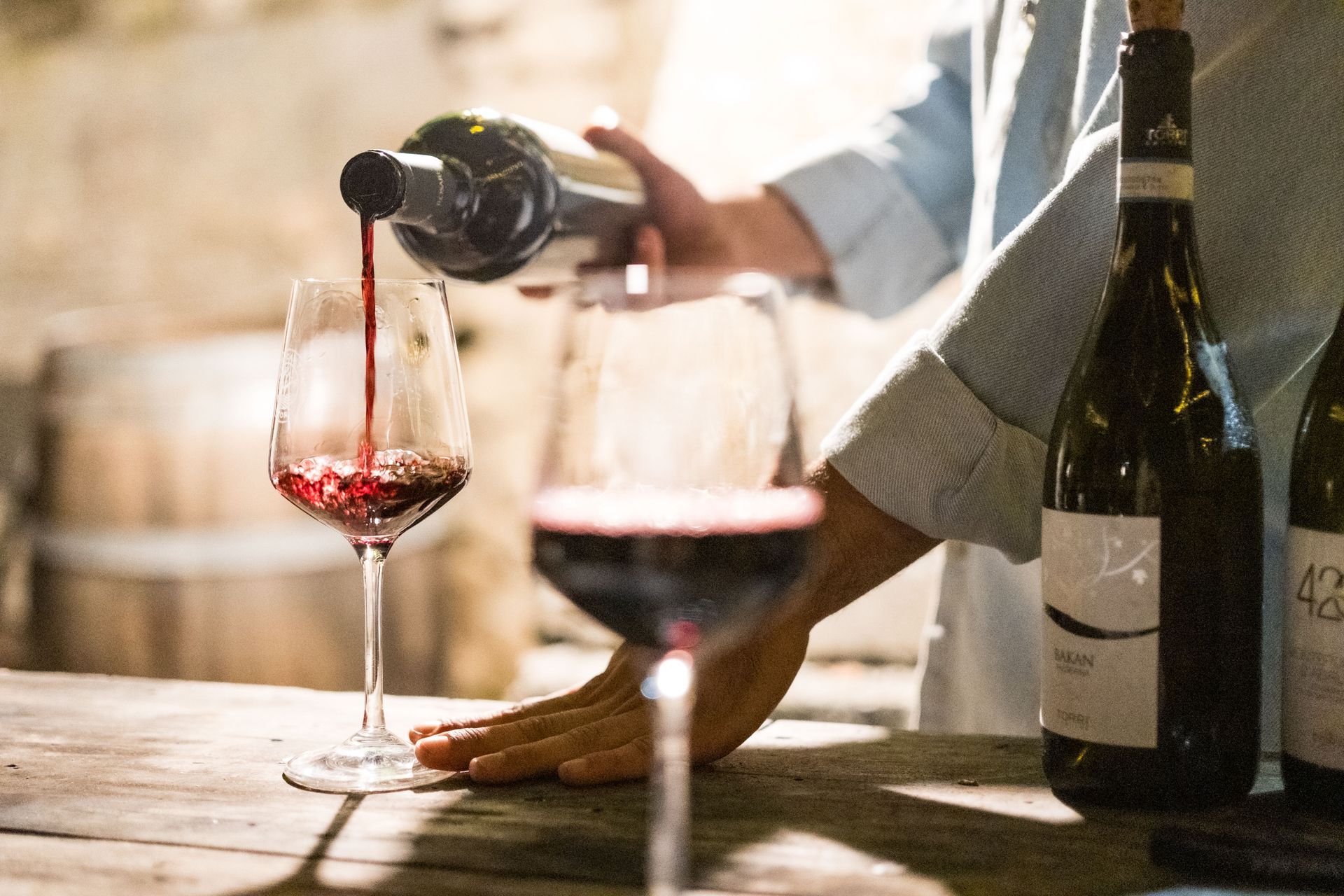
It is easy to think of wine as a bottle on a restaurant table. In the small cantinas of Piedmont, Umbria, and Campania, wine is something far more grounded: it is the dirty fingernails and weathered skin of the person pouring it for you. When you visit an independent producer, you rarely meet a marketing director. You meet the person who pruned the vines in February, prayed against hailstorms in May, and harvested the grapes by hand in September. They do not recite tasting notes from a script. They tell you about the winter frost of three years ago, the specific mineral vein running under the northern hill, and the grandfather who planted the rootstock before the road was paved. The wine tastes different when you drink it in the cellar where it aged, surrounded by damp oak and the scent of fermenting fruit. It ceases to be a luxury product. It becomes a liquid record of weather, soil, and human patience. And once you see the hands that made it, you never look at a glass of wine the same way again.
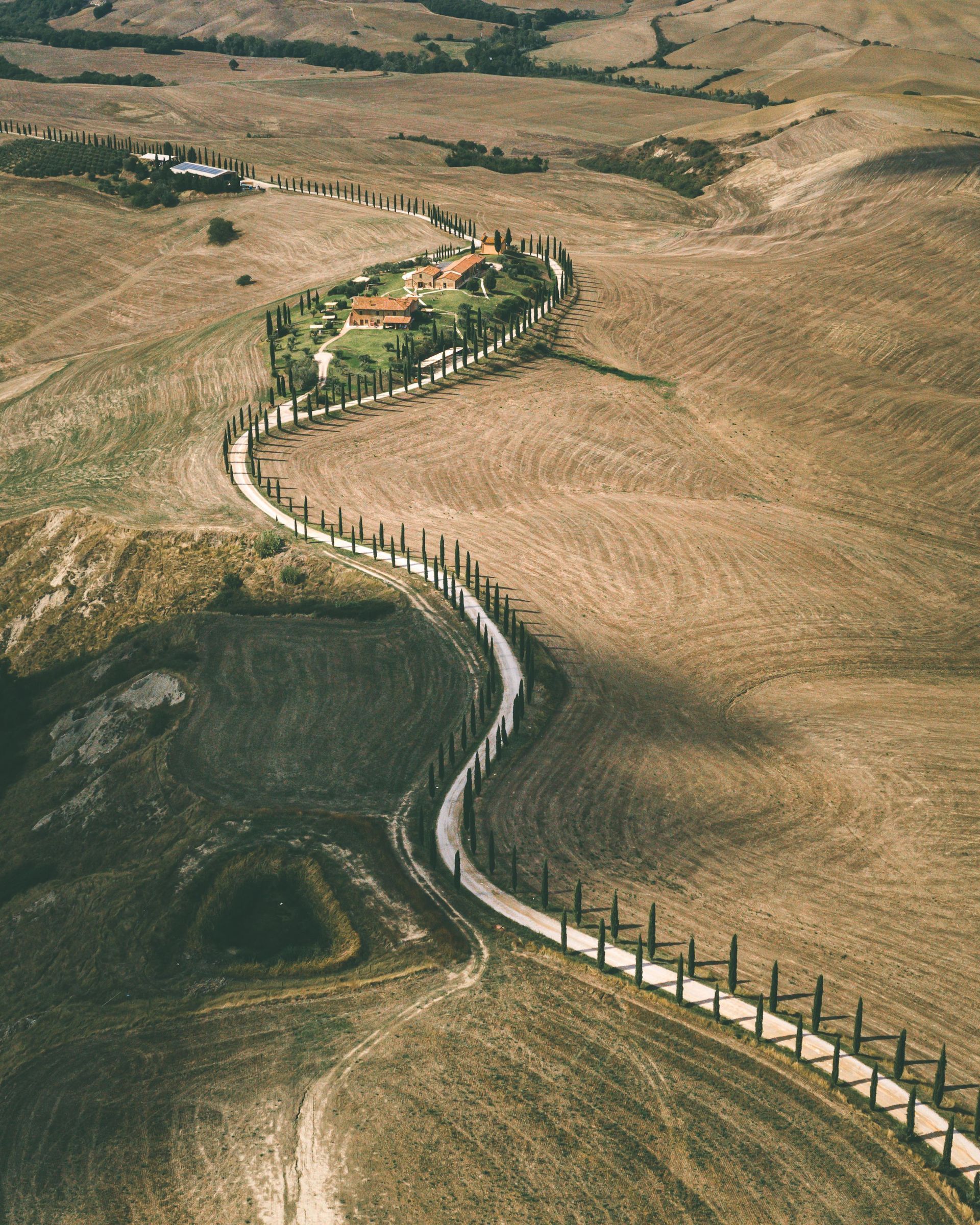
Nothing exceptional in the Italian countryside lies at the end of a multi-lane highway. The places worth reaching require you to turn off the asphalt. Onto the strada bianca: the white gravel road flanked by cypress trees, winding through private olive groves, sending small plumes of chalky dust behind your wheels. A gravel road automatically resets your internal clock. You cannot drive fast. You have to navigate the gentle ruts, watch the contours of the hill, and look out for a farmer’s three-wheeled Ape coming around the bend. It forces you to decelerate before you even step out of the car. And when the gravel finally crunches beneath your tyres at the entrance of a restored farmhouse or an old stone masseria, the silence that greets you is absolute. The unpaved road is a physical boundary between the noise of transit and the sanctuary of arrival. Sometimes the best navigation advice is simply choosing the road that makes your car travel at walking pace.
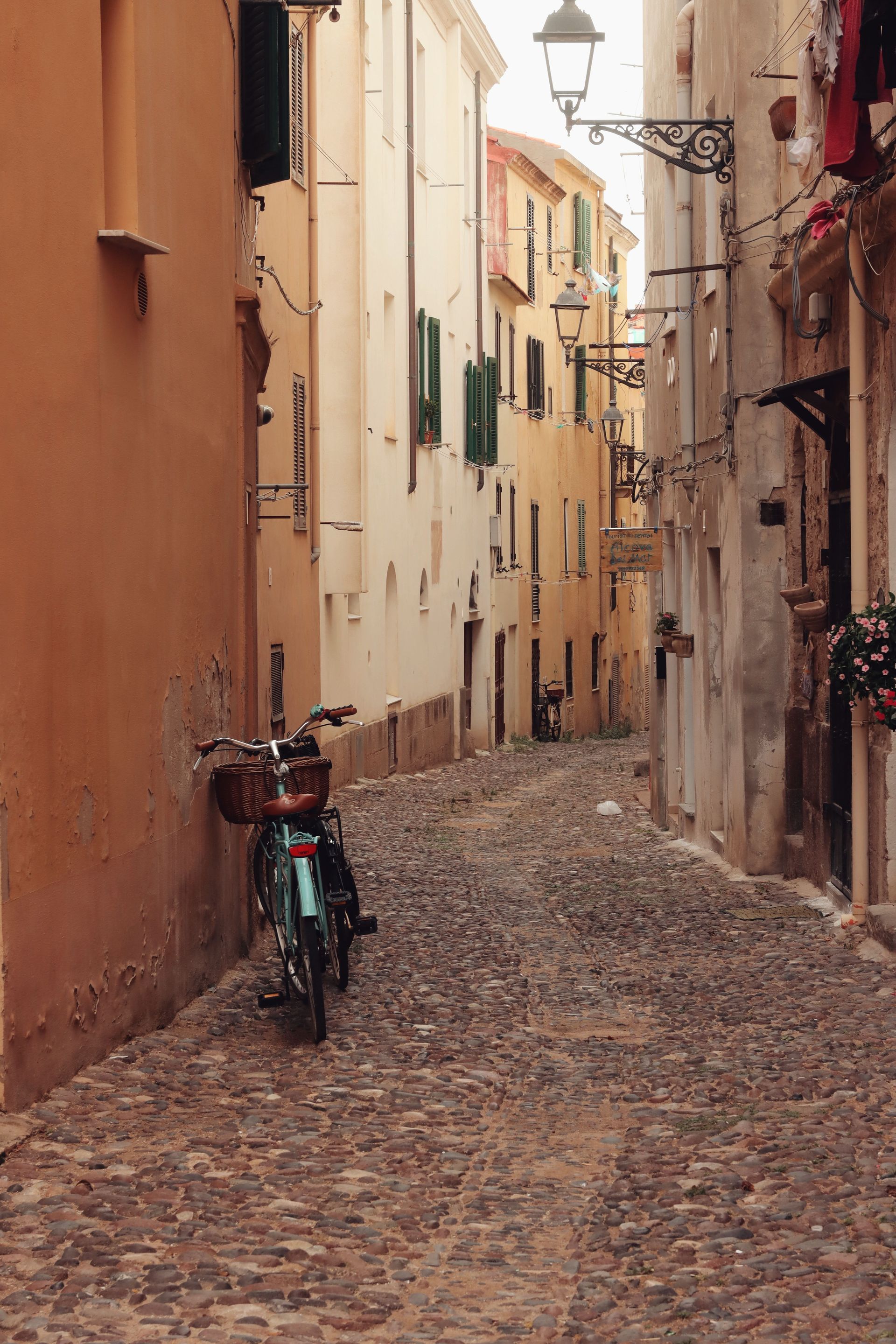
Most itineraries treat Italy as a constellation of heavyweights: Rome, Florence, Venice, Milan. Yet the true heartbeat of Italian civic life lives in the secondary cities. Places like Mantova, Lucca, Lecce, Ferrara, and Treviso. These are places designed at a human scale. You do not need a taxi or a complex transit plan; you need a pair of leather shoes or a creaky city bicycle. In a secondary city, you are not competing with bus tours for a glimpse of art. You walk into an empty Renaissance chapel on an ordinary Tuesday morning and hear the echo of your own footsteps. You sit in the main piazza at five in the evening and realise that everyone around you knows each other by name. These cities do not perform for outsiders. They do not redesign their storefronts to cater to international expectations. They simply continue living their historic, elegant, uninterrupted lives. Choosing a secondary city is not a compromise. It is choosing to experience Italy as a living culture rather than an open-air museum.
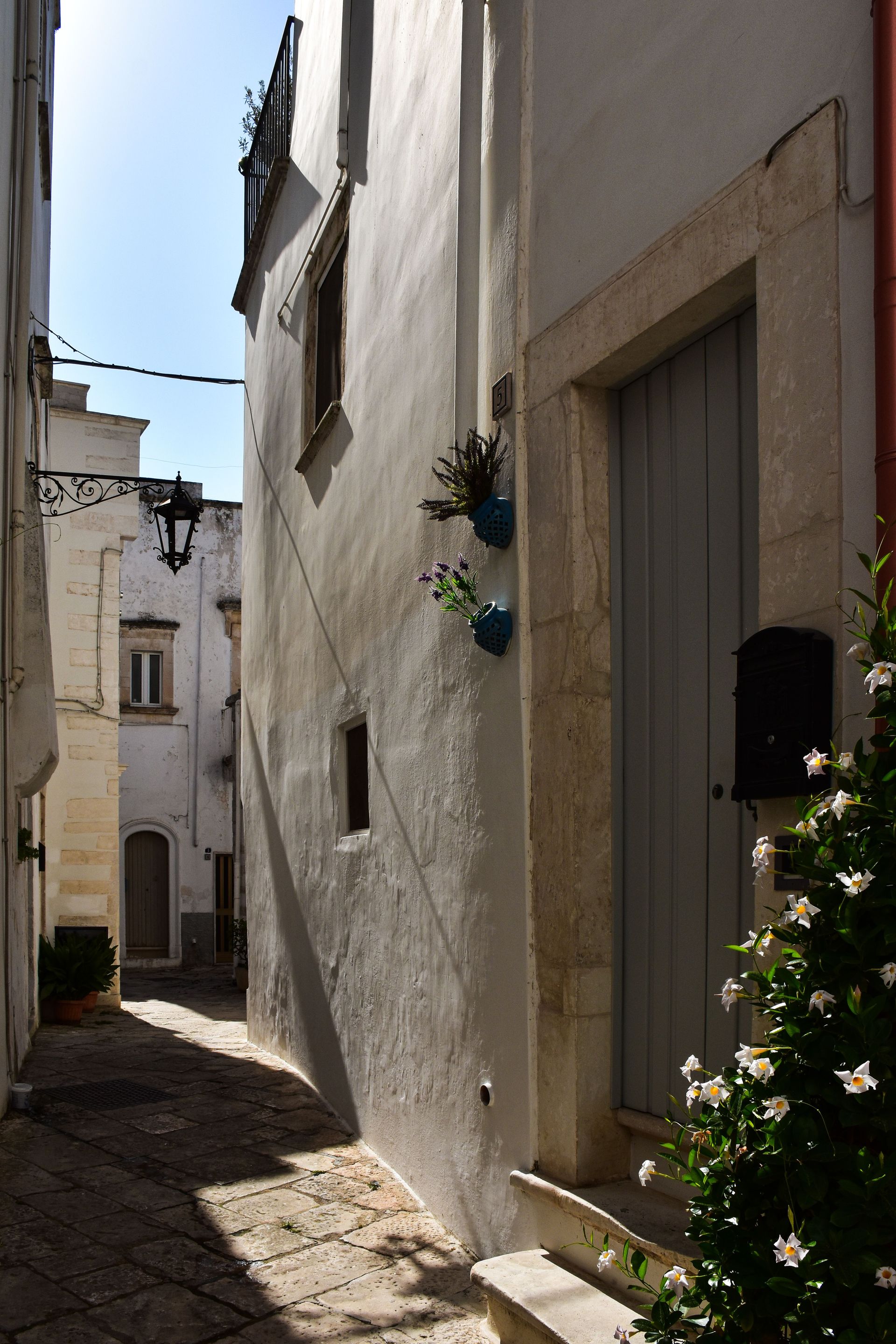
In Southern Italy, the sun does not just illuminate a town. It edits it. By two in the afternoon, the blinding light of Sicily, Puglia, or Basilicata forces the world into a sharp contrast of ivory stone and ink-black shadow. Streets empty entirely. To the uninitiated traveller, this silence can feel eerie, almost deserted. But it is not abandoned—it is resting. This is the geometry of the riposo. Shutters are drawn against the heat. Conversations retreat behind thick tufa walls. The stone alleys belong entirely to the breeze and the geometric shapes cast by archways and balconies. Walk these alleys during the quiet hours, and you see the architecture stripped bare. No scooters. No café tables. No distractions. Just the tactile truth of lime wash, worn stone steps, and the quiet dignity of towns built to outlast the sun. Learning to respect the afternoon stillness is the moment you truly arrive in the South.
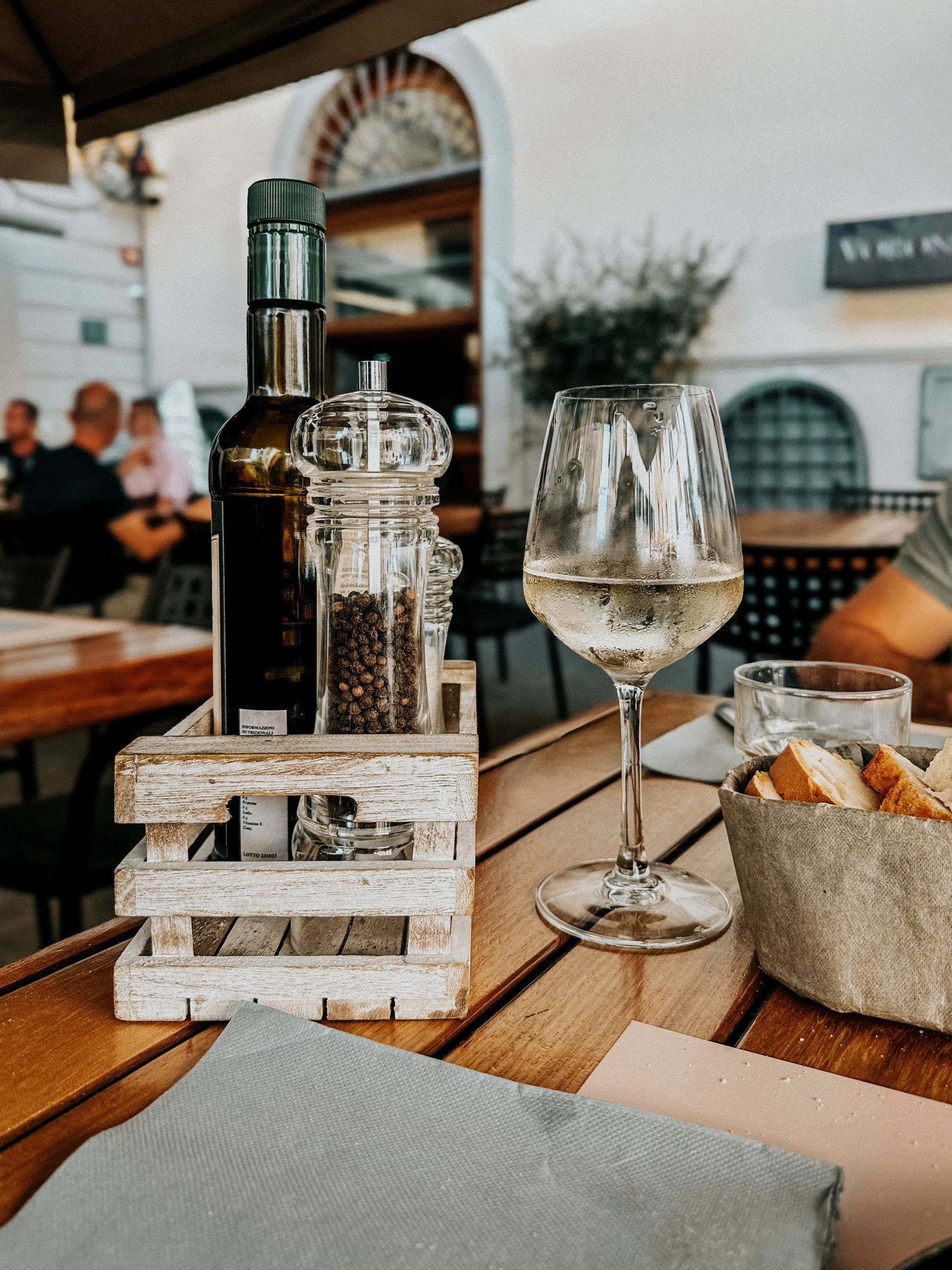
The best meals in Italy rarely arrive with a leather-bound menu or an English translation. They begin with a voice. A waiter who pulls up a wooden chair, leans over the linen, and tells you what came out of the market two hours ago. Three primi. Two secondi. Whatever local wine is already sitting in an open ceramic carafe. There is a vulnerability in surrendering your choice. In our everyday lives, we optimise every decision. We cross-reference reviews, dissect photos, and decide what we want days before we sit down. In a backstreet trattoria, you hand control back to the kitchen. You eat what was picked this morning. You taste the olive oil pressed down the road. You realise that true hospitality is not about offering endless variety—it is about having the confidence to serve what is honest, seasonal, and right. When you strip away the performance of dining, only flavour and conversation remain. And that is why these unwritten meals linger in your memory long after the Michelin-starred dishes fade.